
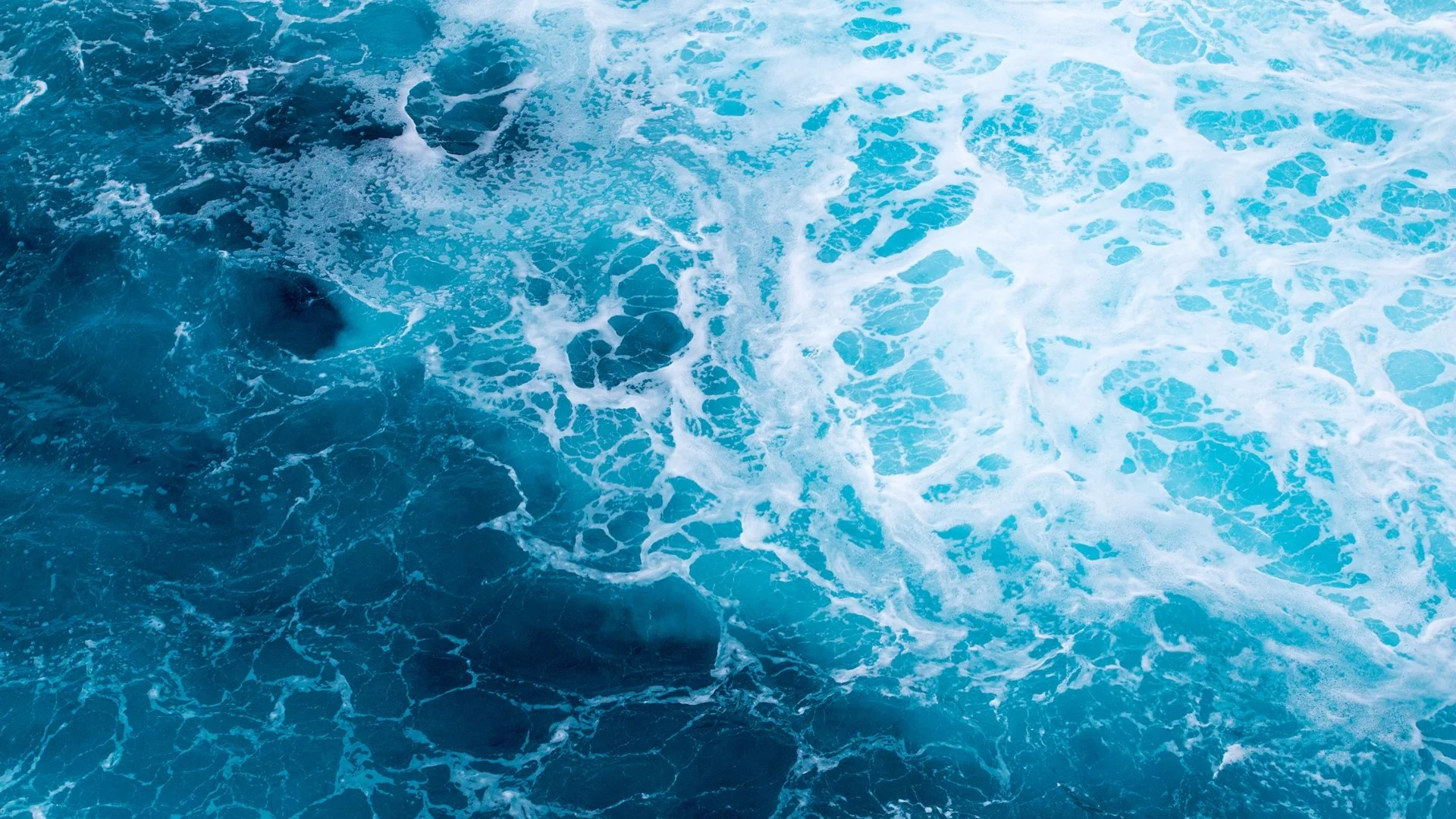
The ocean is much more than a vast blue expanse. It is the foundation of life on Earth.
It produces over half of the oxygen we breathe and plays a central role in regulating our climate. The ocean absorbs around 90 percent of the planet’s excess heat and stores nearly a quarter of global carbon emissions. This immense capacity makes it a vital buffer against accelerating climate change.
The ocean does not only support climate stability. It also directly sustains human well-being by feeding more than 3 billion people worldwide and powering 90 percent of global trade. It connects economies, cultures, and coastlines across every continent.
It is home to more than 80 percent of all life on Earth. From majestic sharks and whales to intricate coral reefs and kelp forests, the ocean is not a passive resource. It is a living system that sustains us all.
Protecting the ocean is not optional. It is essential for the survival and prosperity of current and future generations.
Why the Ocean Is Vital: Scientific Insights
The deep ocean alone accounts for about 90 percent of the ocean's volume. It plays an outsized role in storing carbon dioxide and heat, helping to mitigate climate change on a planetary scale.
The ocean generates more than 50 percent of the oxygen in our atmosphere through marine photosynthesis.
It supports immense biodiversity, including marine species that form the foundation of healthy ecosystems and sustainable fisheries. These are essential for food security and local economies across the world.
The ocean economy contributes trillions of dollars to human livelihoods every year and employs millions globally. If it were a country, it would rank among the largest economies on Earth.
But this foundation is under threat. Ocean warming, acidification, pollution, biodiversity loss, and unsustainable resource extraction are weakening the ocean’s ability to perform these vital functions. Millions of lives and livelihoods are at risk.
The Ocean’s Role in Climate and Human Security
The ocean absorbs more than 90 percent of the excess heat generated by greenhouse gas emissions. It also stores vast amounts of carbon, slowing the pace of global warming.
This natural regulation supports fisheries and aquaculture that feed billions of people. Coastal and island communities depend on the ocean for food, livelihoods, cultural identity, and climate resilience.
When ocean systems are disrupted, the consequences ripple outward. Climate patterns destabilize, extreme weather becomes more frequent, and species essential to marine and human ecosystems face collapse.
Urgency for Protection and Sustainable Management
The world is beginning to recognize the ocean’s true value. International efforts like the United Nations Ocean Conference and the Global Biodiversity Framework call for expanded ocean conservation. This includes the “30 by 30” goal to protect 30 percent of the ocean by the year 2030.
However, several challenges remain. We still lack basic knowledge about many deep ocean ecosystems. Pressures from climate change and unsustainable use continue to mount. And most marine areas remain insufficiently protected.
To overcome these gaps, we need greater investment in ocean science, better data systems, and more equitable, transparent, and enforceable ocean governance.
The ocean sustains life, shapes climate, and powers global economies. It gives us oxygen, food, and resilience. Without it, there is no livable future. To protect life on Earth, we must protect the ocean.
Sources and Further Reading
https://marineboard.eu/publication/vision-deep-sea-importance-and-health-ocean
https://oceanpanel.org/publication/2025-ocean-data-gaps-report
https://www.oecd.org/ocean/economy/key-ocean-facts-2025
https://www.oceanaccounts.org/publications/progress-report-2025
https://sdgs.un.org/goals/goal14